
Overview
This material provides a summary of PESTEL and SWOT analyses, plus key risk-assessment steps, based on the frameworks presented in the second demonstration event of Use Case 1.
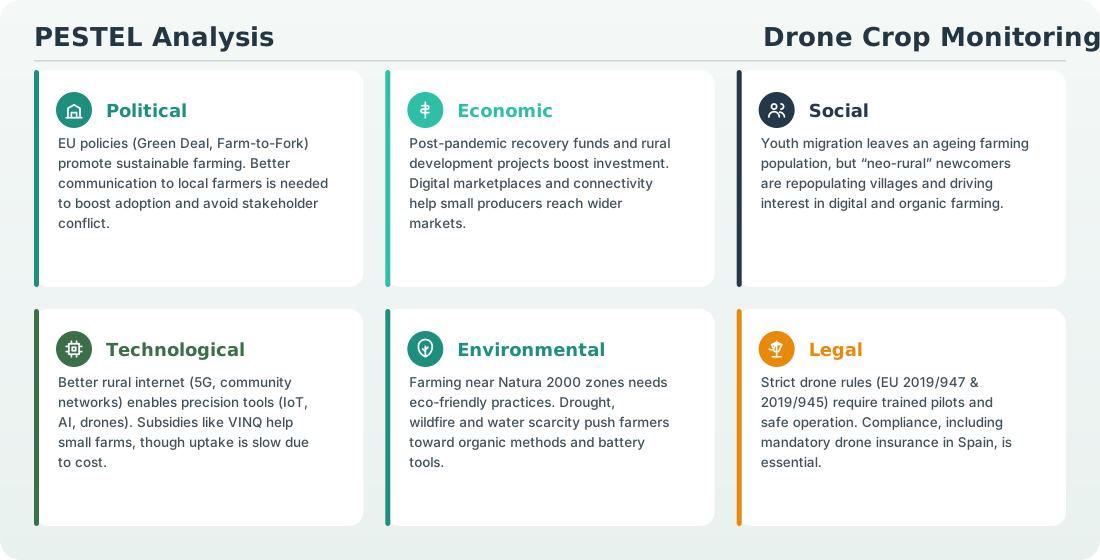
PESTEL Analysis (External Factors)
PESTEL stands for Political, Economic, Social, Technological, Environmental, and Legal factors — a framework for analysing external influences on a project. For this drone crop-monitoring scenario, PESTEL analysis helps in understanding how the broader context (from government policies to environmental conditions) can impact or shape the success of the project. Each category of PESTEL is summarised below in plain language.
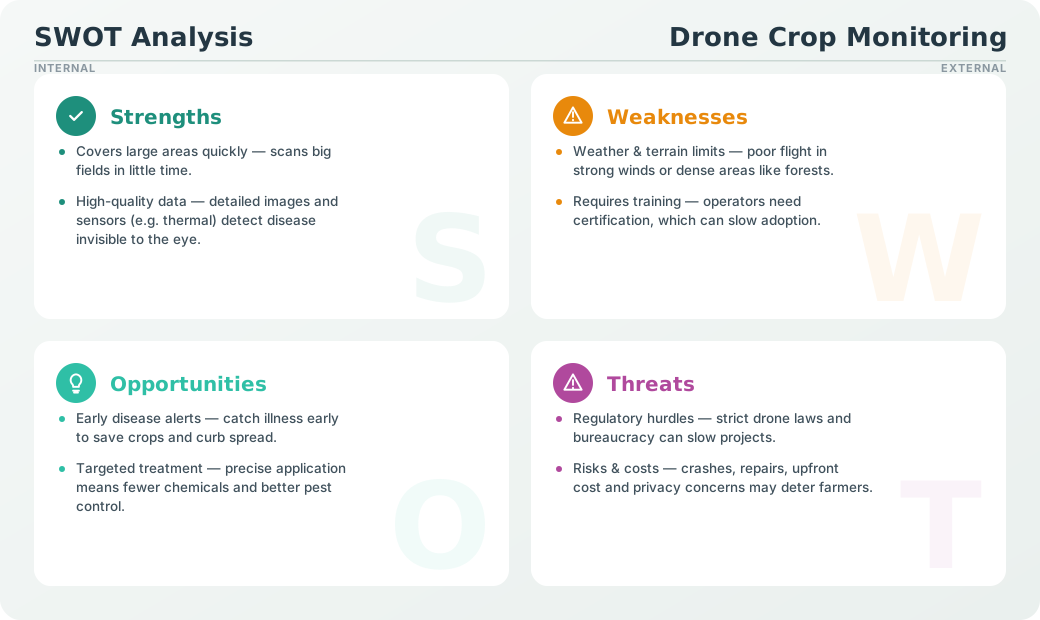
SWOT Analysis (Internal Factors)
The SWOT analysis examines internal factors: Strengths, Weaknesses, Opportunities, and Threats for this scenario. It helps identify what’s going well, what challenges exist, potential benefits to leverage, and external dangers to watch for. Each part of the SWOT is summarised below, with accessible language and suggested visual cues like icons and a 2×2 grid.
Risk Assessment (Key Risks & Risk Management Process)
Risk assessment ensures that using drones for crop monitoring is safe and effective. It involves systematically identifying potential risks, evaluating them, and managing them to reduce danger. Below is a simplified outline of the major risks identified for the project.